

Arba Minch University (AMU) School of Graduate Studies (SGS) organized an international seminar on the nutritional physiology of dairy livestock during the early postnatal period on January 22, 2026. The seminar was held at the AMU–IUC Video Conference Room and brought together academic and research staff, invited senior scholars, and PhD students from the College of Agricultural Sciences. Click here to see more photos.
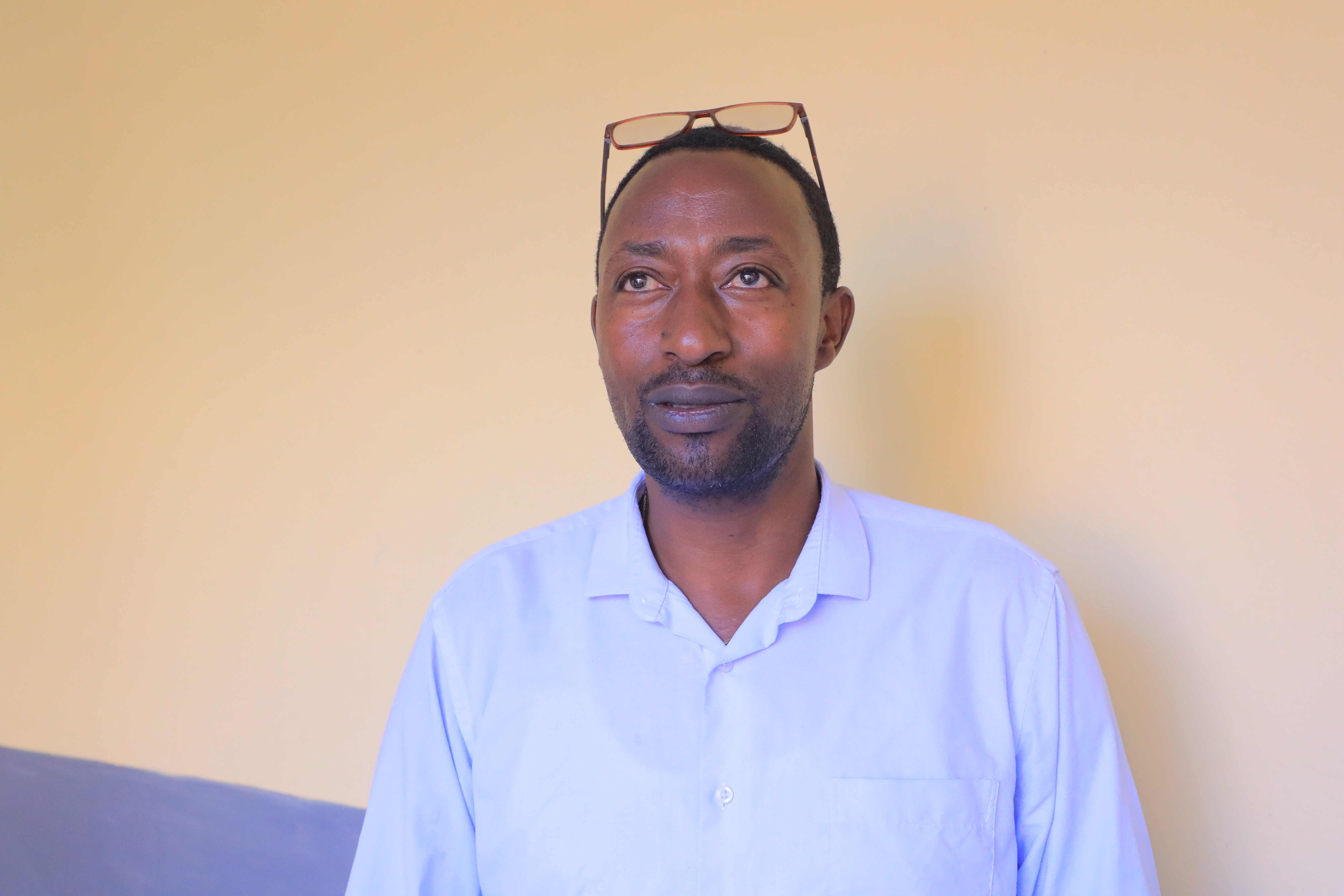
Opening the seminar, Professor Yisehak Kechero, Director of the AMU School of Graduate Studies, highlighted the objectives and significance of the event. The seminar was aimed to enhance livestock health and productivity through scientifically grounded nutritional approaches, he emphasized. Professor Yisehak further added that the experience shared from Ghent University, Belgium, would strengthen the knowledge and research capacity of AMU staff and doctoral students, particularly regarding dairy cows’ physiological challenges during the first three weeks after birth. He also underscored the value of the seminar presenter’s extensive academic experience, marked by more than 300 scientific publications.
The seminar was delivered by Professor Veerle Fievez from the Faculty of Bioscience Engineering, Department of Animal Sciences and Aquatic Ecology at Ghent University. Professor Fievez, a renowned expert in dairy cattle nutrition and the AMU–IUC Global North Promoter, presented research findings on dairy cows’ physiology during the early postpartum period in both temperate and tropical environments. Her presentation highlighted significant differences in metabolic responses across agro-ecological settings.
Professor Fievez explained that during the first three weeks after birth, dairy cows undergo intense metabolic activity, particularly in the liver, as body fat reserves are converted into glucose to support milk production. This process, if excessive, may lead to fat accumulation in the liver and subsequent metabolic disorders. She stressed the importance of providing balanced, glycogenic, and highly digestible rations to support efficient glucose production and reduce health risks. She further noted that a PhD student at AMU is currently conducting experimental research on enset corm and moringa-based balanced rations as locally available, highly digestible feed options to improve animal health and productivity.
During the discussion session, Dr. Alemayehu Worku, Teaching–Learning Coordinator of the AMU School of Graduate Studies, emphasized that dairy cows commonly experience energy imbalance during the early postpartum period due to reduced feed intake. He explained that this leads to excessive body-fat mobilization and ketone production, which can impair liver function. Dr. Alemayehu highlighted the importance of providing high-quality, energy-rich nutrition during the three weeks before and after birth and reiterated the potential of locally sourced feed solutions such as enset corm and moringa.
The seminar concluded with an interactive discussion, during which participants shared insights and raised questions on practical strategies to improve dairy cow health and productivity. The session underscored the importance of evidence-based nutritional interventions and the strengthening of international research collaboration to address livestock production challenges across diverse agro-ecological contexts.
For more Information Follow us on:-
Website - https://www.amu.edu.et/
Telegram - https://t.me/arbaminch_university
Facebook - https://www.facebook.com/ArbaMinchUniversityccd/
YouTube - https://www.youtube.com/channel/UCOO_nclhMo8M3r74OyPBlVA
Public and International Relations Executive